
The Murat Theatre in Indianapolis was set to provide a starkly contrasting, charged backdrop for the September 20, 2026, stop: beautifully ornate, shadowy, and built for amplified drama. With Lynch Mob, Lita Ford, and Dokken on the bill, this was a collision of three distinct voices from hard rock’s lineage—not a completed concert recap, but a preview of attitude, musicianship, and stage presence still waiting to happen. The old-world atmosphere and red velvet curtains should sharpen the contrast between the leather clad acts, raising the same question before the volume rises and the lights drop: who can still command the room when the pressure hits?
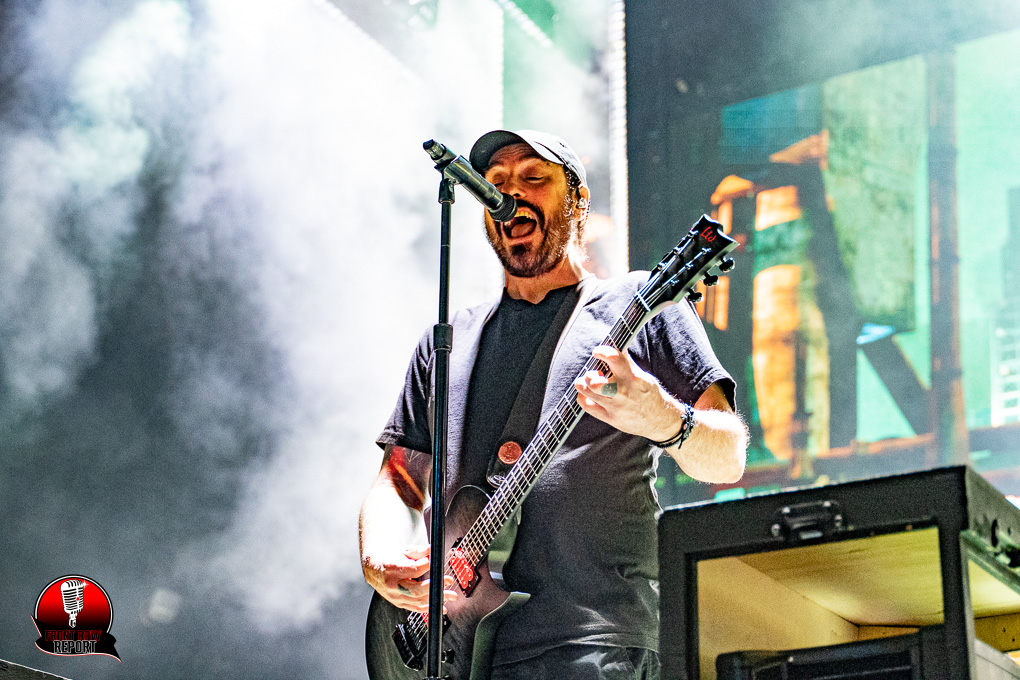
Lynch Mob brought the opening set that suits their name and sound, with lead vocalist Andrew Freeman supplying the hard-edged, powerful delivery that serves as the vocal counterpoint to George Lynch’s riff-heavy guitar work. The band’s presence is inseparable from Lynch’s guitar legacy, but Freeman is the voice that can turn the shred into something with teeth instead of just flash. Their stage presence playing with precision and rage, seasoned musicianship, and a clear sense of sound vibrating through the floorboards—an approach designed to pull the audience toward the stage.
Then comes Lita Ford, both the lead singer and guitar-playing frontwoman at the center of her own storm. The former Runaways guitarist built her solo identity on a raspy, commanding vocal style and razor-wire riffs and she still clearly delivered, with “Cherry Bomb” and “Close My Eyes Forever” still engineered for primal intensity. Her decades of authority gave the performance its backbone, while her stage presence projected control without sanding down the rough edges—as in the blunt audience challenge, “Do we have any bitches out there?” Her connection with the audience is rooted in the direct, durable language of guitar-driven rock.
Where Lynch Mob should work through rebellion and momentum, Ford should work through command, and that contrast should give the evening its shape. The room can shift from one kind of heat to another: the band’s collective punch gives way to a more focused, hard-earned force. That variety matters. Instead of flattening the bill into one continuous blast of volume, the performances can establish different shades of confidence—groove, grit, defiance—each act making its case through presence, musicianship, and audience connection as much as sound.
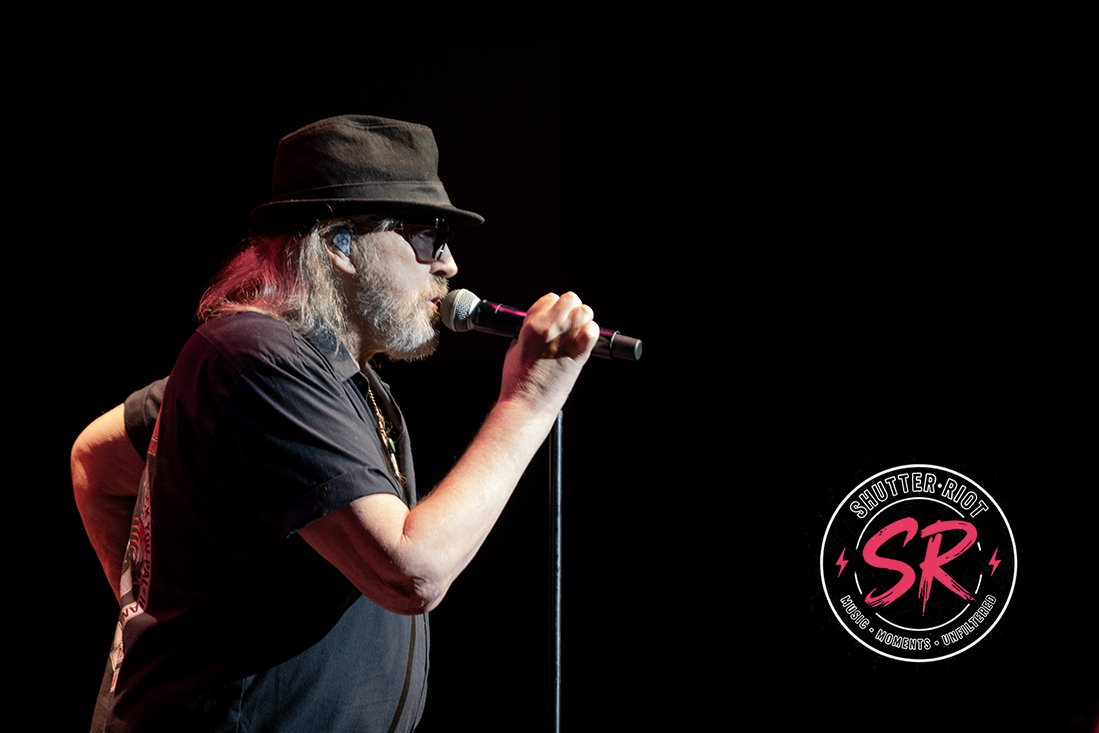
At the top of the bill, Dokken brings Don Dokken, the band’s lead singer, and defining voice. His distinctive melodic, dramatic delivery sits at the center of Dokken’s classic hard-rock identity, giving the band’s darkly polished ’80s anthems both hook-heavy elegance and a little midnight menace. The set balanced newer with classic material, including “Saving Grace,” with “Alone Again,” “In My Dreams,” “Too High to Fly,” “Tooth and Nail,” “Chain the Night,” and “Dream Warriors”—songs designed to feel larger than the stage without losing the human connection that keeps an audience engaged. George Lynch delivered high power riffs rejoining Don Dokken on the stage and clearly dominating the room with his performance. The show was veteran acts leaning into history while still making the present matter.
Taken together, the scheduled bill’s hook is the contrast among its three front people: Freeman’s muscular bite, Ford’s unapologetic defiance, and Don Dokken’s signature melodic ache. The night revealed in the differences: not one continuous blast of nostalgia, but a collision of hard-rock temperaments, each frontperson carrying a distinct voice, volume, musicianship, and attitude into the room.
-Jennifer Davis